

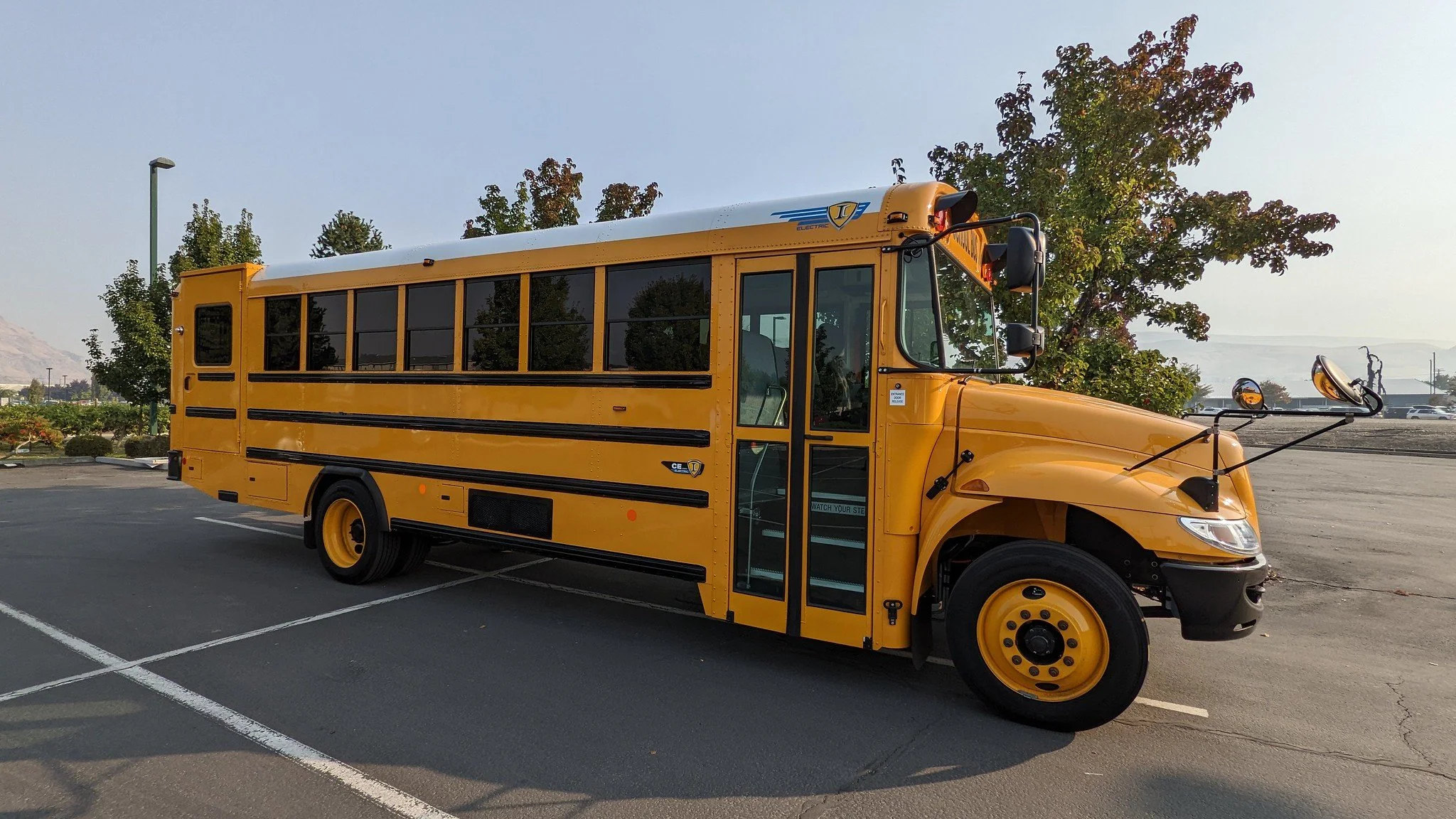
Will electric buses work here?
Built for real New York conditions
Electric school buses offer an opportunity to improve student health, reduce emissions, and modernize school transportation. But every school bus operation is different. Routes, winter temperatures, charging infrastructure, utility capacity, and operating budgets all affect the transition.
At NYCSBUS, we're learning these lessons firsthand. We want to share what we've learned, acknowledge the challenges, and help other school bus operators make informed decisions about electrification.
The goal isn't to prove that every route is ready for an electric bus today. It's to identify which routes are ready, what challenges remain, and how to address them.
What We've Learned in Our Electrification Journey
Start small and learn.
We began with just three electric buses and relatively simple charging equipment. That experience gave us a foundation for understanding vehicle performance, charging needs, and the operational changes required.
Expect challenges.
Our first-generation buses experienced reliability and integration problems. We've worked through charging compatibility, vehicle software, fleet monitoring, and the constraints of installing infrastructure at busy urban depots.
Build partnerships.
Bus manufacturers, utilities, nonprofit organizations, government agencies, and other school bus operators can all help. There is no reason to navigate the transition alone.
Use actual operating data.
Vehicle specifications and estimated range are helpful starting points, but real-world experience matters more. Energy consumption, route length, temperatures, heating requirements, and charging availability must all be considered together.
Will Electric Buses Work in Your District?
Interactive prototype
Winter route readiness assessment
Change the values below. Results update immediately and identify the assumption driving the outcome.
Route and vehicle inputs
Northern district exampleView prototype methodology
The screening model uses a temperature factor = 1 + 0.0059 × max(0, 65°F − temperature), multiplied by baseline kWh/mile. It subtracts preheating energy from departure charge, subtracts route energy, and adds available midday charging, capped at usable capacity. “Ready” requires a projected return SOC at least 10 percentage points above the required reserve. All factors are illustrative, not manufacturer-certified, and should be replaced with verified field data before dispatch use.
Charging availability is assumed dependable and usable within the route schedule. The screen does not model charging rate, traction limits, battery cold-soak restrictions, HVAC transients, road conditions, aging, or defrost performance. Negative projected SOC indicates an energy shortfall, not a physically attainable battery charge.
Screening result
The route is projected to finish near the required reserve. Validate with controlled winter testing before assignment.
What the district should test next
- Confirm the cold-weather factor using trip-level telemetry from operating electric buses.
- Meter preheating separately and confirm the windshield is fully clear before departure.
- Test a larger usable battery, midday charging or a shorter assignment while preserving the reserve.
Planning illustration only. This tool does not certify vehicle safety, regulatory compliance, or route suitability. Confirm actual usable capacity, preconditioning energy, winter consumption, charging availability, and required reserves before assigning vehicles.
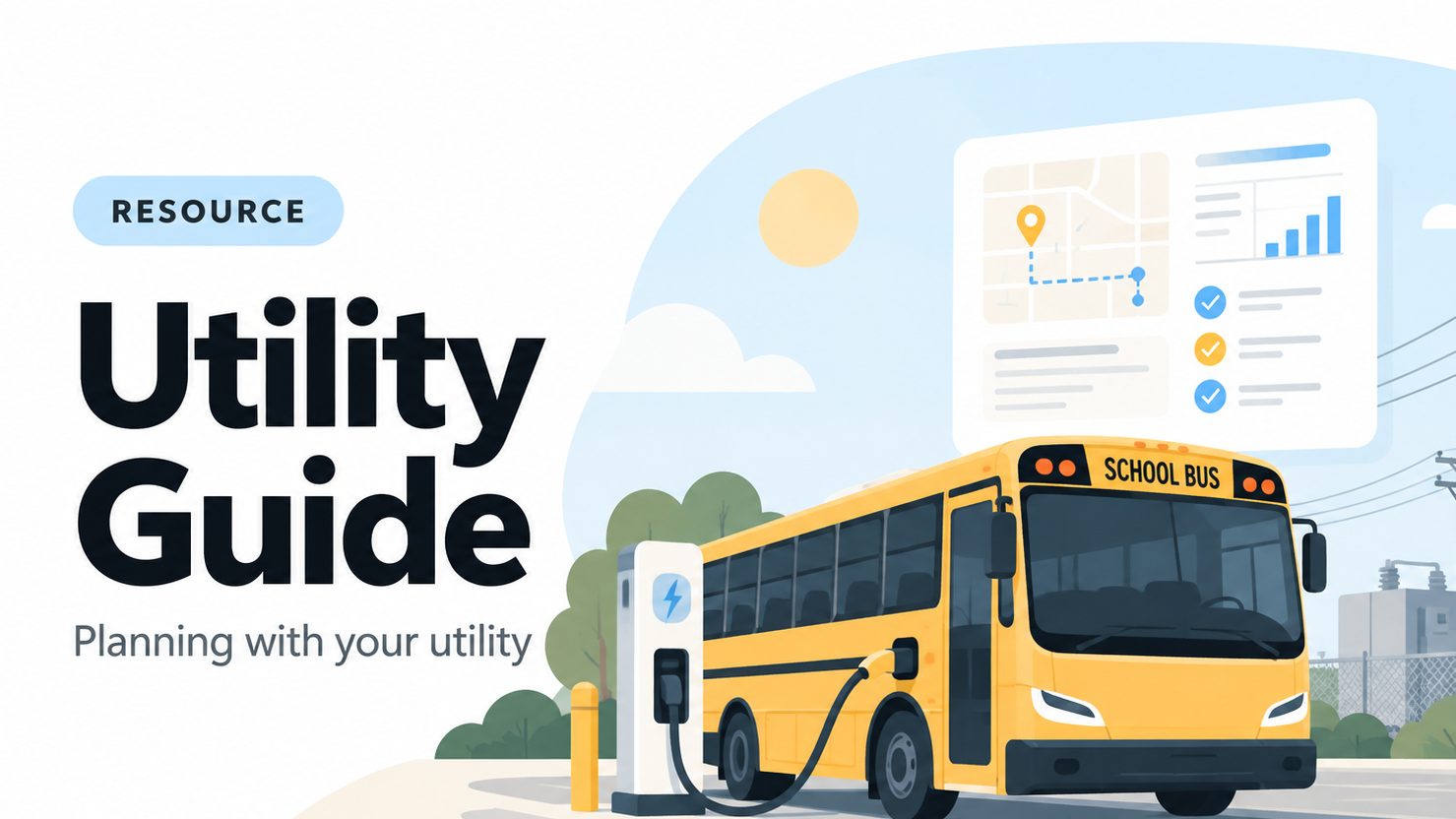
Utility Guide — Planning With Your Utility Understand the importance of coordinating with your electric utility early in the electrification process. Explore electrical capacity assessments, service upgrades, charging demand, project timelines, and strategies for avoiding infrastructure delays.
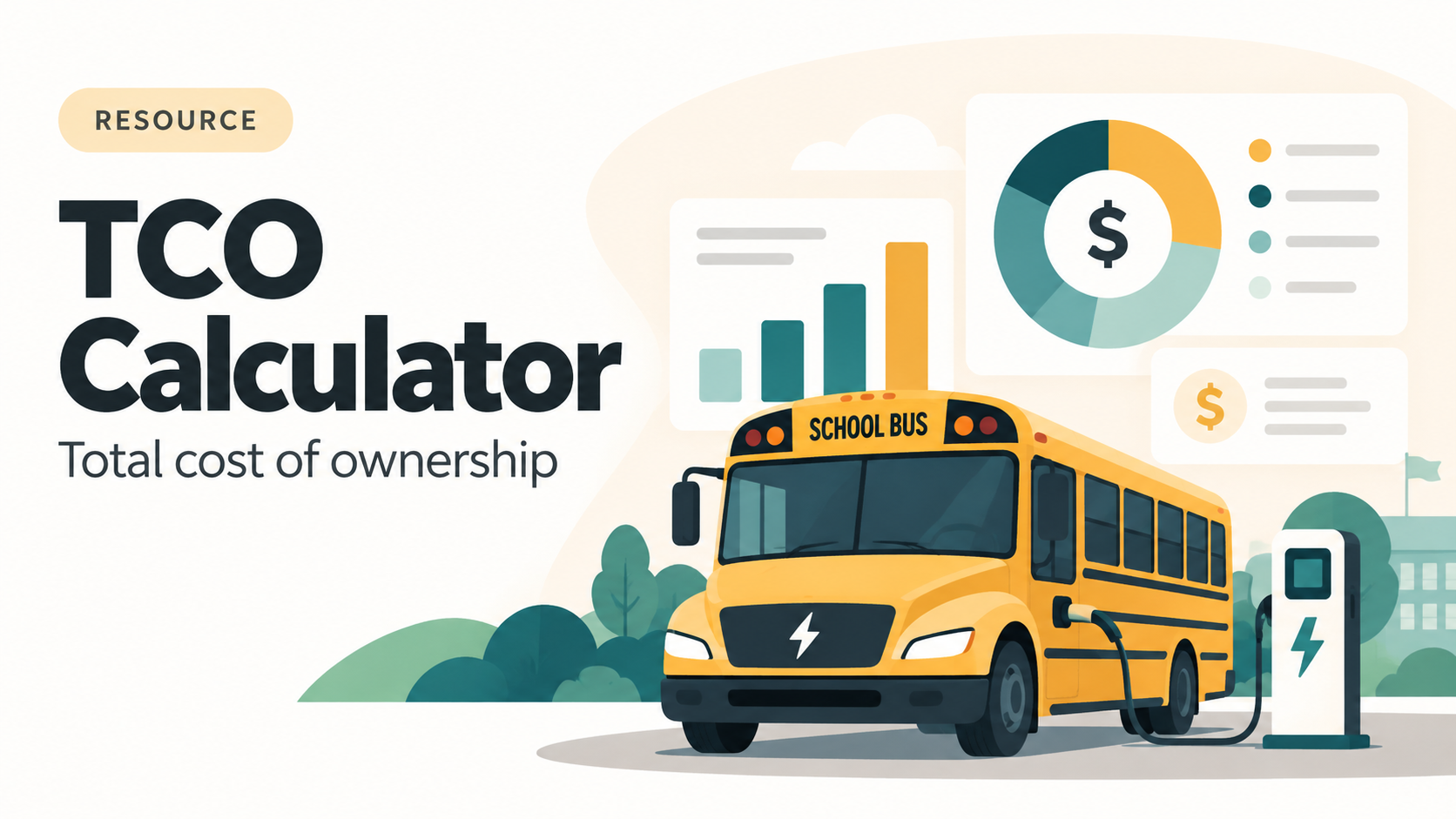
TCO Calculator — Total Cost of Ownership Evaluate the long-term financial implications of transitioning to electric school buses. Compare vehicle acquisition, fuel, electricity, maintenance, and infrastructure costs to better understand the total cost of ownership over time.
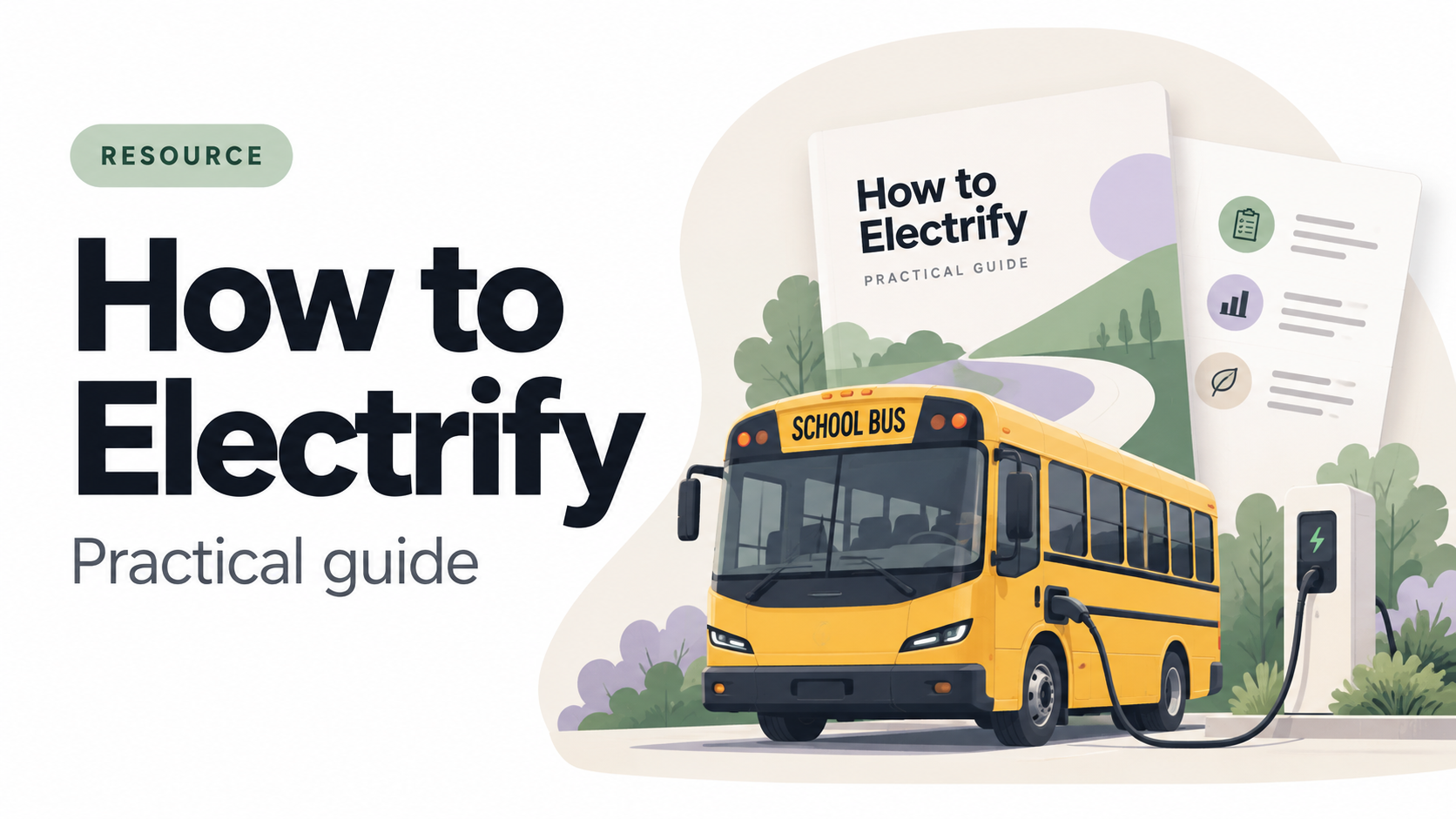
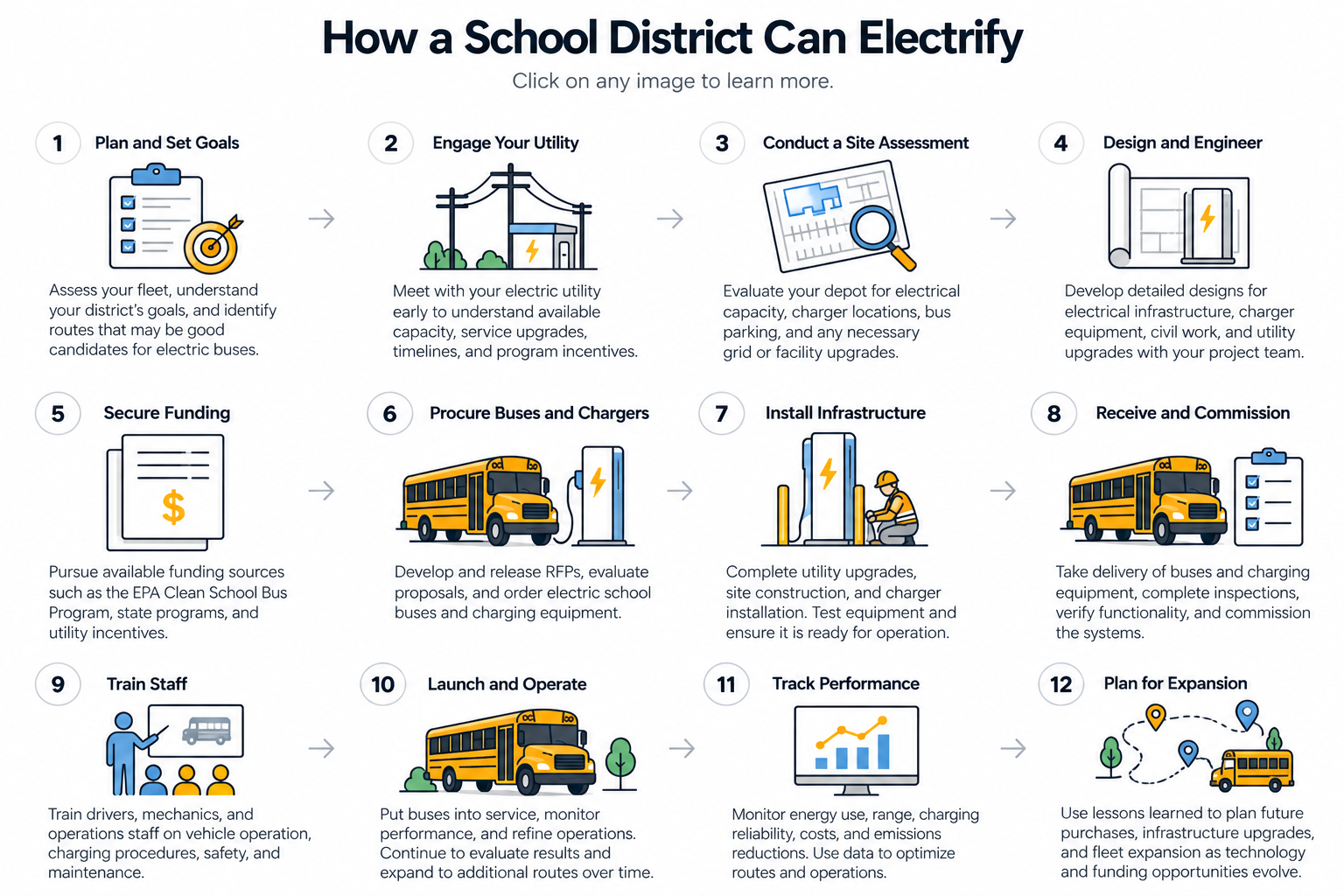
How to Electrify — Practical Guide A step-by-step introduction to planning and implementing a school bus electrification project. Learn how to assess your fleet, identify suitable routes, evaluate charging needs, secure funding, and develop a realistic transition timeline.
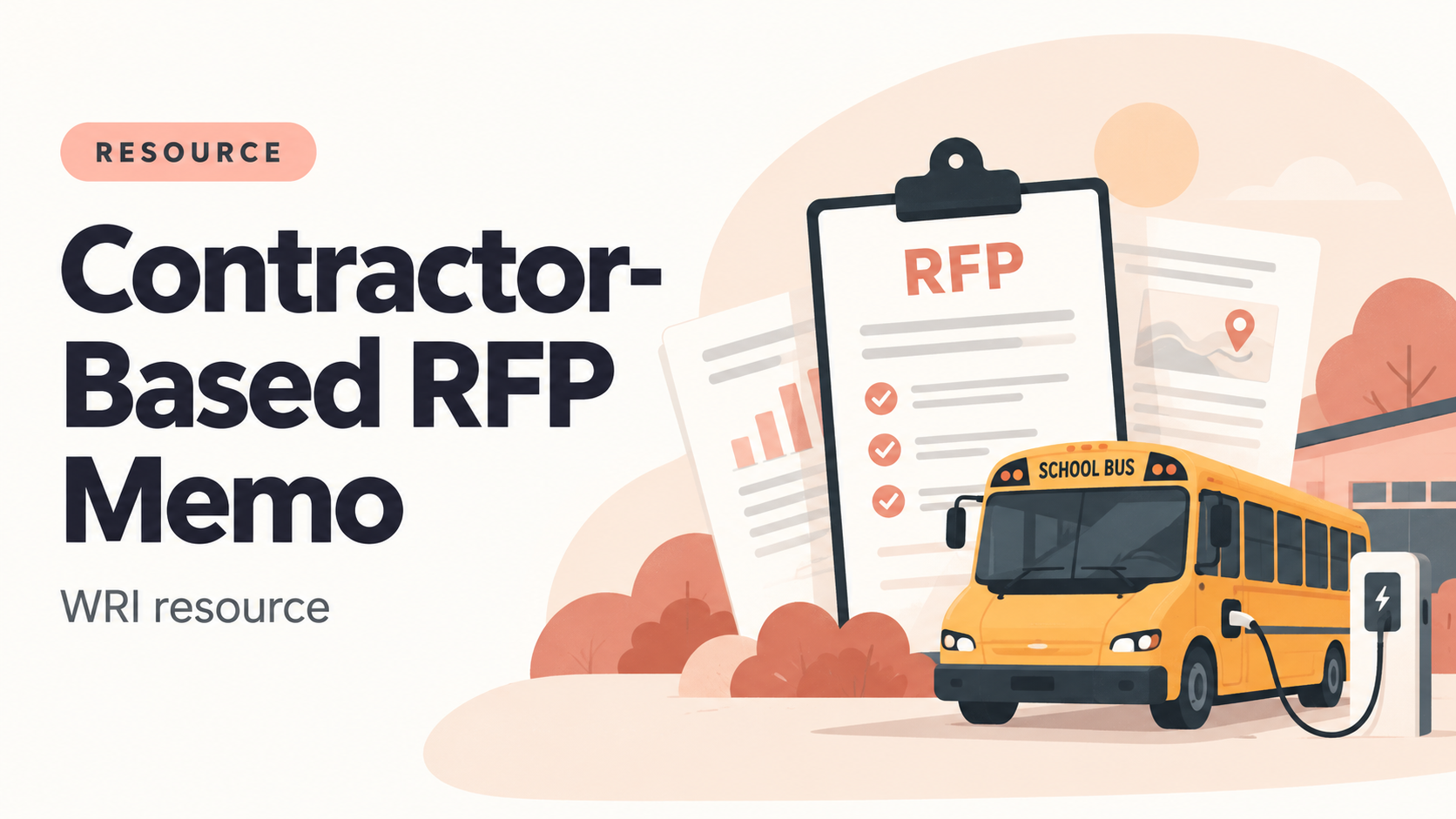
Contractor-Based RFP Memo — World Resources Institute (WRI) Explore considerations for developing requests for proposals and contractor agreements that support school bus electrification. This resource highlights procurement strategies, contract requirements, and ways to establish clear responsibilities.
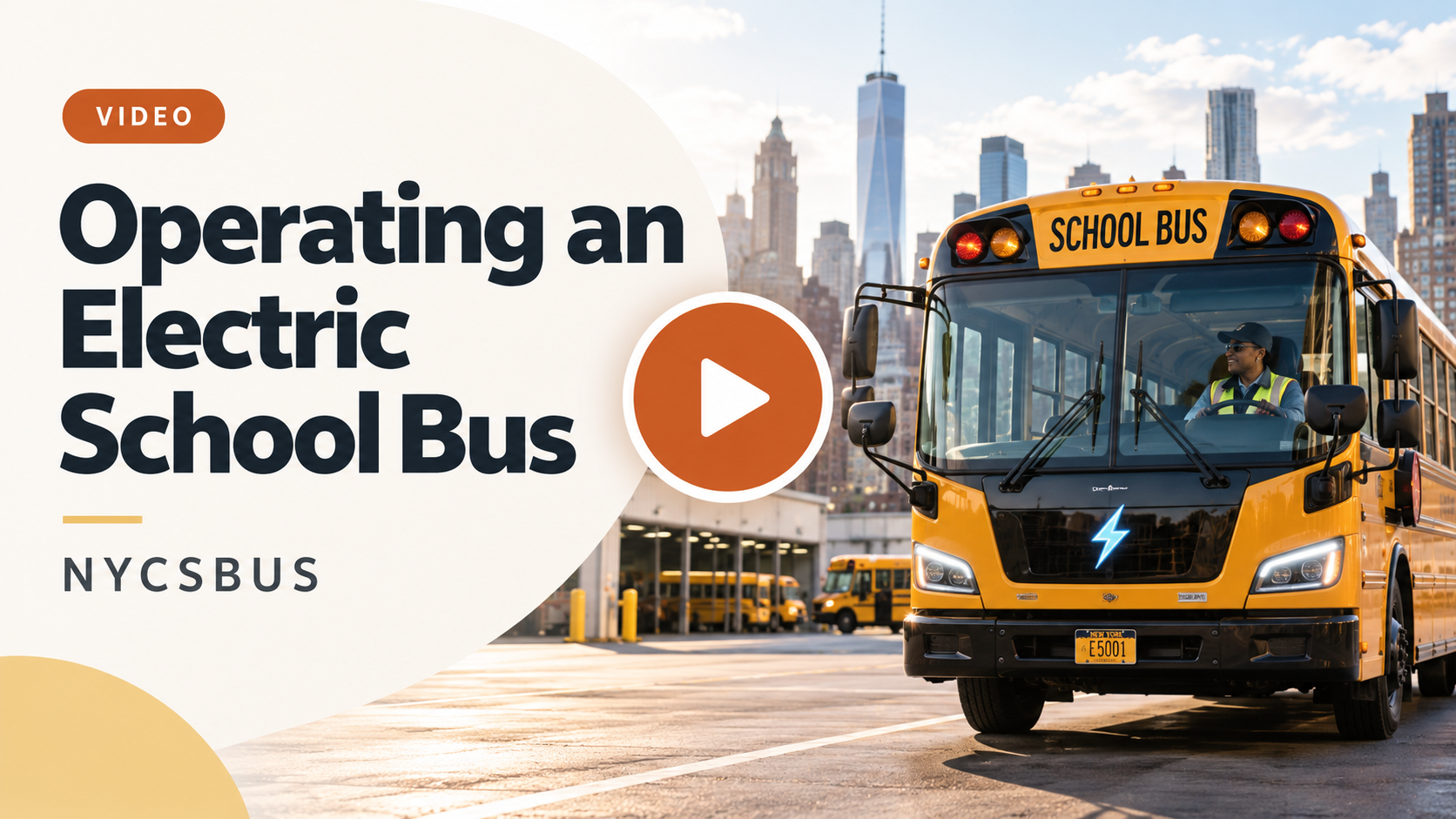
Operating an Electric School Bus — NYCSBUS Take a closer look at the day-to-day operation of an electric school bus. Learn about charging procedures, vehicle controls, regenerative braking, and practical considerations for drivers transitioning from conventional buses.
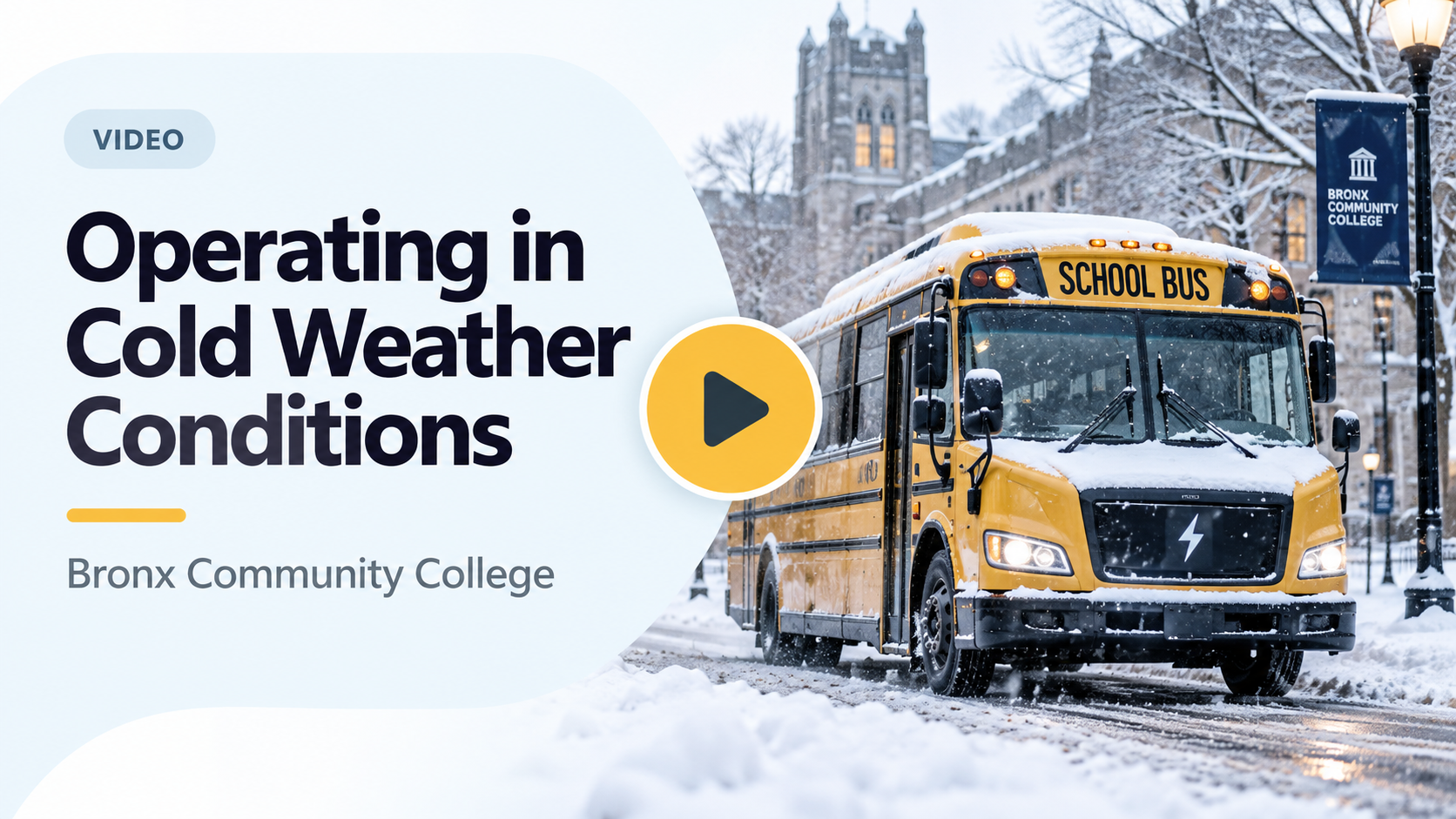
Operating in Cold Weather Conditions — Bronx Community College Understand how cold temperatures affect electric school bus range, battery performance, and energy consumption. Explore practical strategies for winter route planning, vehicle preconditioning, and maintaining safe, reliable service.
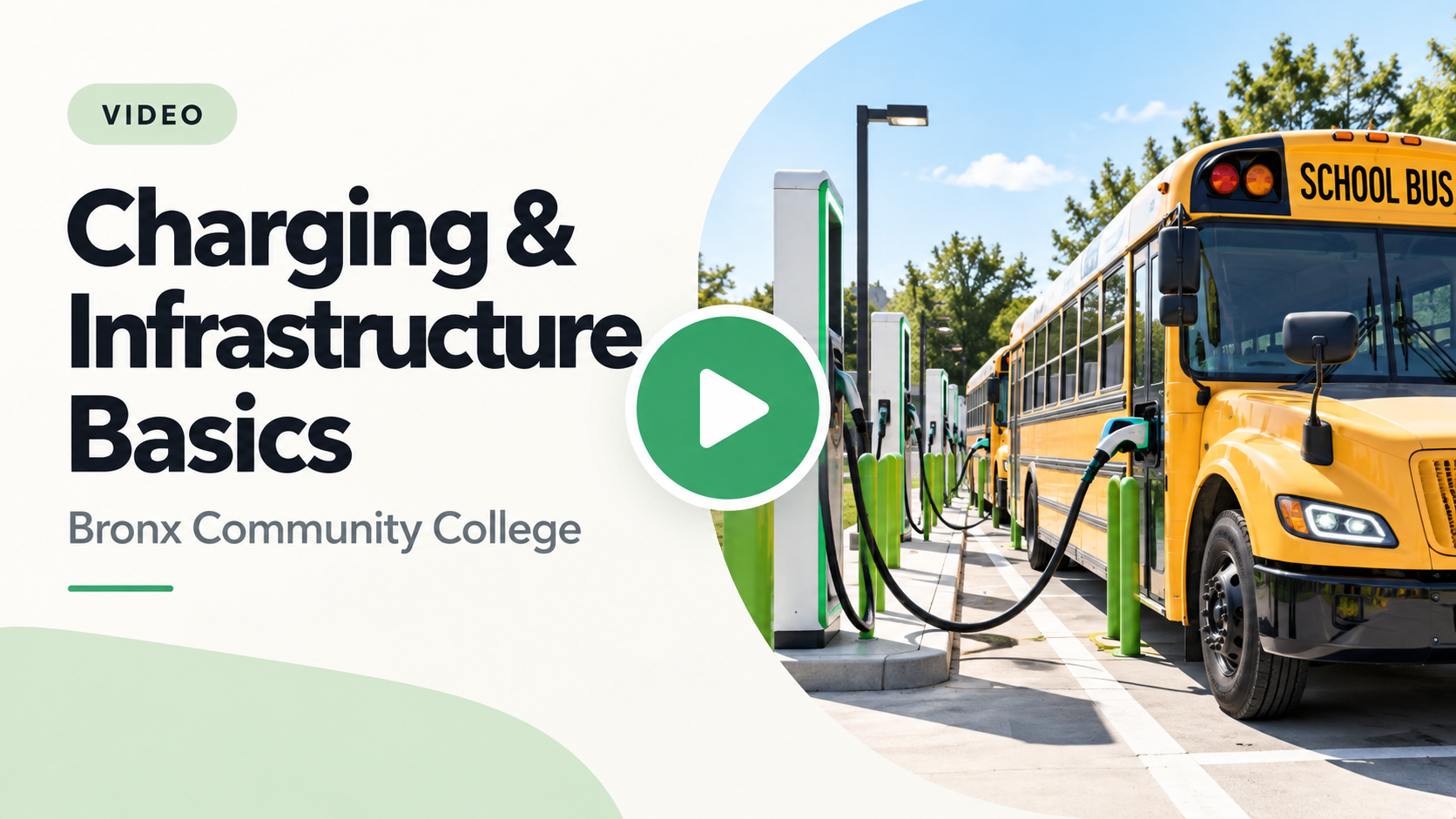
Charging & Infrastructure Basics — Bronx Community College Learn about the charging equipment and electrical infrastructure needed to support an electric school bus fleet. Explore different charging options, installation considerations, and strategies for maintaining reliable daily operations.
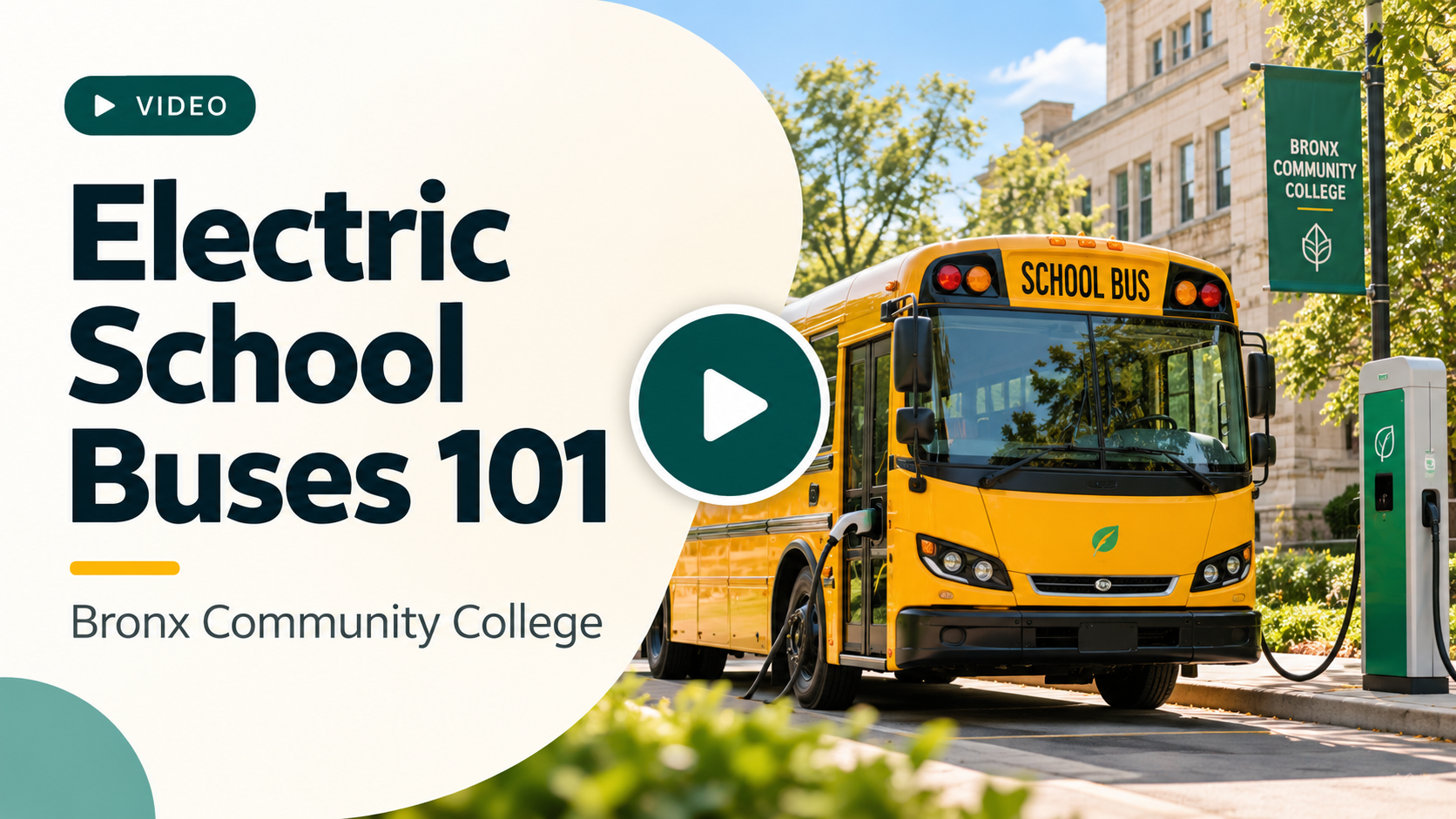
Electric School Buses 101 — Bronx Community College Get an introduction to electric school buses, including how they work, their environmental and operational benefits, and the technology behind them. A helpful starting point for anyone exploring the transition to electric transportation.